Unsent Project Wayback Machine – Revisit the Lost Words of the Past
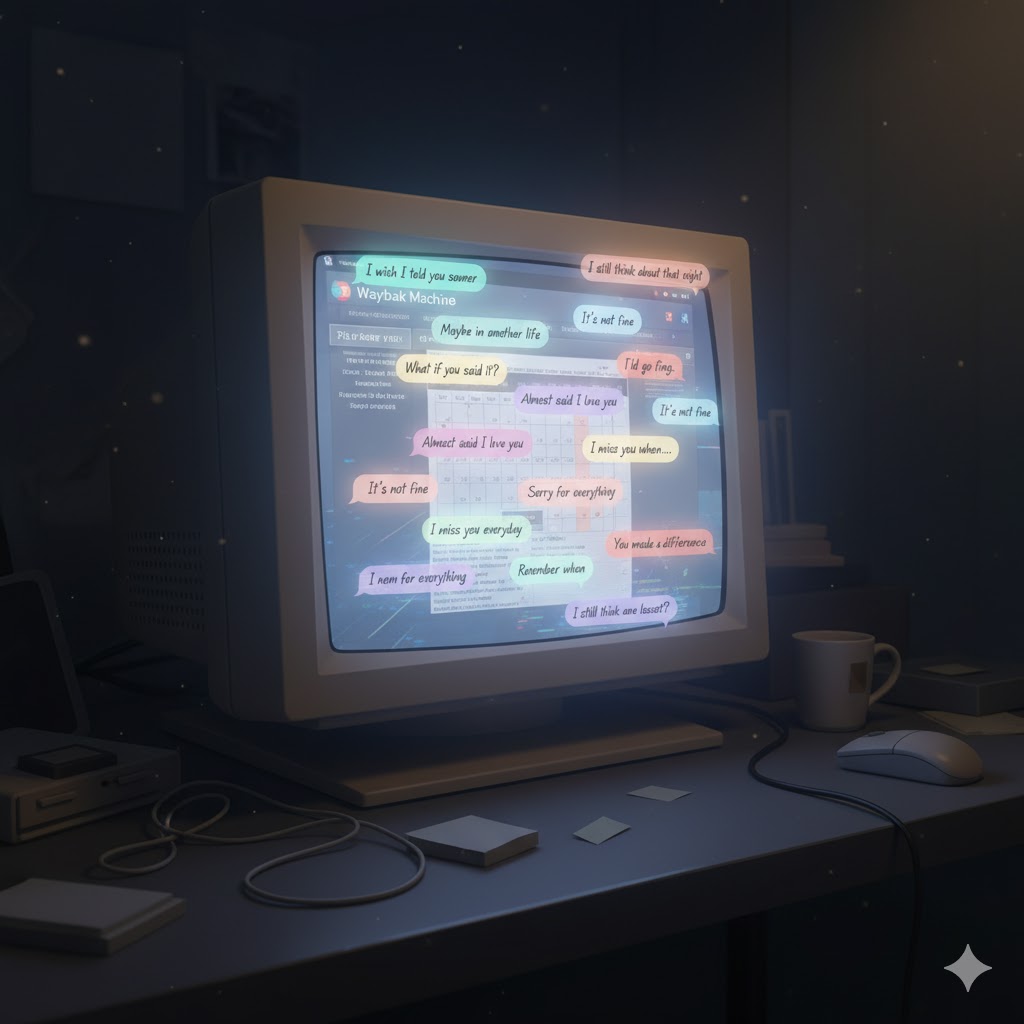 You’ve probably scrolled through The Unsent Project at some point, those raw, anonymous snippets of words people typed but never hit send on—heartaches, half-apologies, quiet what-ifs that hit you right in the chest. And if you’re like me, you’ve also geeked out on the Wayback Machine, that wild internet time capsule where old websites flicker back to life like ghosts from a digital attic. But mash ’em together? That’s the “unsent project wayback machine” magic—folks hunting archived snapshots of the Unsent Project site to peek at its past selves, lost messages, or just how it all looked back when.
It’s not some official thing; it’s more like a desperate Google prayer when your favorite echo from 2018 vanishes. Why chase it? And how do you even start? In this chatty rundown, we’ll unpack what the unsent project wayback machine really means, how to wrangle it, what treasures (or traps) you might unearth, why it tugs at so many of us, and what it says about our obsession with holding onto the unsent in a world that deletes without mercy.
What is the Unsent Project & Why Archive It?
Before we geek out on the time-travel tech, let’s ground this: What even is The Unsent Project? It’s this hauntingly simple online spot where people dump the messages they couldn’t quite send—confessions that choked in your throat, thank-yous too tangled to untie, regrets wrapped in “what if I had.” You type it out, slap on a color that nails the vibe (red for that burning ache, blue for the numb fog), and poof—it joins a public archive for anyone to stumble across, anonymous as a whisper in a crowd.
Started by artist Rora Blue back in 2015 as a probe into first loves and their hues, it’s ballooned into millions of entries, a raw mosaic of human pauses.
Now, why drag the Wayback Machine into this emotional soup? Websites aren’t statues; they shift—redesigns wipe clean, moderation tightens, servers glitch, and poof, that message you poured your soul into last year? Gone like a deleted draft. The unsent project wayback machine isn’t a fancy feature; it’s folks turning to the Internet Archive’s Wayback Machine to resurrect frozen moments of the site.
Imagine scrolling a 2020 snapshot and spotting a layout that let you search by “first love” vibes, or peeking at an old archive page crammed with submissions that moderation later pruned. It’s digital archaeology for the heart—chasing traces of words that were already ghosts, now doubled down by time’s erase button. Users hunt it when nostalgia bites or frustration flares: “Where’d my entry go?” The archive? It’s a lifeline, a way to reclaim what the site’s churn chucked away.
How the Wayback Machine Works (and Why the Unsent Project Wayback Machine Matters)
Okay, quick Wayback 101: It’s the Internet Archive’s brainchild, a massive vault that snapshots websites whenever its bots swing by—grabbing HTML, images, even some scripts to recreate how a page looked on, say, July 15, 2017. Punch in a URL like theunsentproject.com, and bam—a calendar pops with blue dots for capture dates, letting you click back to that era’s vibe. For the Unsent Project, it’s gold: Early crawls might snag a bare-bones submit form from 2016, mid-era archives could freeze a flood of unpruned posts, and recent ones? They catch redesigns that streamlined (or sanitized) the flow.
Why does the unsent project wayback machine matter in this mix? Because the Unsent Project isn’t static—it’s a living beast of user pours, and changes hit hard. A moderation overhaul in 2022 might’ve culled spam but axed your heartfelt blue-tinted regret from 2021.
Or a UI glow-up buried old search tricks, making name-hunts a slog. Peeking via Wayback? It’s like eavesdropping on the site’s diary, spotting when the color picker slimmed from 20 shades to 10, or how the archive’s infinite scroll once felt wilder, less gated. Users crave it for closure— “Did my words ever make it live?”—or curiosity: “How’d this emotional echo chamber evolve?” In a web that forgets faster than it forgives, it’s a stubborn stand for persistence, turning fleeting feels into fossilized finds.
Why People Search for the “Unsent Project Wayback Machine”
Let’s get real: Nobody Googles “unsent project wayback machine” on a whim—it’s born from that gut-twist when something slips away. I’ve seen threads light up with it: Folks who bared their soul in a 2019 submission, only to return years later and… nothing. Poof. Gone. Maybe moderation flagged it, a server purge hit, or the site’s just too bloated now. The hunt kicks in—a frantic bid to prove it existed, to recapture that cathartic click of “submit.”
Or it’s nostalgia’s pull: You remember the old layout, that raw, unfiltered feed where blues bled into reds without ads or alerts interrupting the ache. Wayback lets you wallow in that “what was,” a time capsule for when the project felt more like a secret diary than a polished platform.
Some dig deeper—researchers tracing how anonymity evolved, or skeptics sniffing for “resets” where old posts vanished en masse, sparking trust tiffs. And yeah, the emotional hook: These aren’t cat pics; they’re unsent lifelines—apologies to lost loves, thanks to faded friends. Losing one feels like losing a piece of you, so the unsent project wayback machine becomes a detective’s flashlight, chasing digital footprints in the fog of forgotten feels. It’s not just tech; it’s therapy, a fierce fight to keep the unsaid from staying unsaved.
Techniques for Using the Unsent Project Wayback Machine
Ready to roll up your sleeves and time-hop? The unsent project wayback machine isn’t rocket science, but it’s got quirks—think of it like digging through a cluttered attic with a flashlight. Here’s your no-fluff playbook, step-by-sweaty-step, to maximize your odds without losing your mind.
Fire up archive.org/web—that’s the Wayback front door. Slap in “theunsentproject.com” and hit enter; a timeline unfurls, dotted with capture blues like stars in a glitchy sky.
Zoom the calendar: Eye dates around your submission—say, mid-2020 if that’s when you poured it out. Clicks land you in that era’s freeze-frame; the site’s there, but maybe creakier, scripts half-loaded.
Navigate like it’s 2018: Hunt the old archive tab, poke the search bar if it cooperates (some snaps glitch on dynamics), or scroll the feed for familiar colors. Type your name— “To Alex…”—and pray the indexing held.
Tweak for treasure: No luck? Bounce dates—try a week before/after, or cluster captures (Wayback often bunches ’em). Spelling slips? Test variants: “Alex” vs “Alec,” quotes for phrases like “still think of you.”
Pro peek: If the main page loads wonky, drill subpaths—append “/archive” or “/submit” to the URL before saving. And screenshot everything; Wayback’s fickle, captures fade like old polaroids.
Word to the wise: It’s not a magic undo—dynamic bits (live searches, user pulls) often flop in freezes, so patience is your co-pilot. But hey, even a partial pull can spark that “aha”—proof your whisper once waved in the wind.
What You Might Find (and What You Might Not) via the Unsent Project Wayback Machine
Diving the unsent project wayback machine’s like panning for gold in a river of code—thrilling hauls mix with muddy duds, and knowing the split keeps your hopes hinged right.
On the shiny side, you might unearth gems: A 2017 snapshot with that OG submit form, all raw edges and zero gates, or an early archive bloated with uncurated blues, reds bleeding wild before moderation muzzled the mess. Spot layout shifts—like when infinite scroll swapped for paginated peace—or color palettes that popped 20 hues, not the trimmed ten today. And yeah, the holy grail: Your own ghosted entry, flickering faint in a forgotten freeze, validation that your unsent scream once surfaced.
But here’s the rub—and it’s a biggie—you might draw blanks galore. Personal posts? Often MIA if they post-submit pruned or never green-lit; Wayback snags static shells, not database depths, so dynamic digs (name hunts, fresh feeds) flop like wet fireworks. Full fidelity? Nah—images pixelated, scripts silent, links leading to 404 voids. Guarantees? Zero; captures cluster unevenly—2016 might bloom blue, 2022 barren as a botched backup.
It’s a roll of the dice, this unsent project wayback machine romp—rewards the patient peeker with poignant peeks, but punishes the rushed with radio silence. Temper that treasure hunt with “maybe,” and it stings less when the river runs dry.
What the Archive Reveals About the Unsent Project’s Evolution
Peeling back the unsent project wayback machine layers is like watching a love letter age—faint ink, creased edges, revealing how the Unsent Project bloomed from scrappy sketch to sprawling sanctuary.
Early birds (2015-2017)? Think minimalist magic: Bare-bones blues dominating, submit forms stark as a blank page, archives airy with fresh floods—thousands, not millions, feeling intimate, untainted by the spam that later spurred stricter sieves.
Mid-era moods (2018-2021)? Growth spurts shine—color wheels widen to 15 shades, search bars sprout for name-nudges, feeds thicken with global groans. But cracks creep: Moderation memos hint at purges, where raw rants got redacted, slimming the sprawl from wild west to walled garden.
Recent rewinds (2022-2025)? Polish prevails—paginated peace tames the torrent, UI glows sleeker with mobile moxie, but echoes of resets linger: Captures cluster thinner post-2023, suggesting tighter crawls or site shields (robots.txt tweaks?). Visual vibes shift too—from chaotic collage to curated calm, colors crisped, prompts punched up.
These snapshots stitch a story: From Blue’s blue-sky brainstorm to a behemoth balancing vulnerability with viability, the Unsent Project’s journey mirrors our own—messy starts, midlife mends, a fierce hold on the heart’s half-said. Wayback doesn’t just save sites; it saves souls, in pixels.
Addressing Common Questions & Concerns via the Unsent Project Wayback Machine
The unsent project wayback machine isn’t just a novelty peek—it’s a liferaft for the laundry list of “why me?” woes that plague Unsent scrollers. Let’s tackle the biggies, ’cause I’ve heard ’em all in late-night forums and frantic feeds.
“Why’d my message ghost?” That vanishing act? Often moderation’s mercy—flagged for flags, backlog buried, or a quiet cull during redesigns. Wayback to the rescue: Snap to submission season, scan for your shade— if it flickered there once, you’ve got proof it pulsed, even if the site’s amnesia hit.
“Reset roulette—did they wipe the oldies?” Whispers swirl of spring cleans, where ancient aches got axed for freshness or filters. Peek pre-purge snapshots; a bloated 2019 blue might mourn the missing, giving gripes legs and admins a nudge to ‘fess up.
“Backlog blues—submitted, but nada?” Delays drag—user floods mean manual mods, your pour potentially pending forever. Older archives? They glow with instant vibes, a benchmark for “it used to be quicker,” arming your polite prod to the powers.
“Authenticity alert—fakes or fillers?” Skeptics sniff spam; Wayback weighs in with timeline tells—steady growth sans spikes screams real, while wonky waves wave red flags. It’s detective work in dots, democratizing doubt.
In this tangle of “what happened?”, the unsent project wayback machine’s your truth serum— not always curative, but clarifying, turning “I swear it was there” into “Look, timestamped.”
Ethical and Privacy Considerations When Using the Unsent Project Wayback Machine
Chasing ghosts in the unsent project wayback machine’s tempting, but it’s a tender terrain—raw hearts frozen in time, demanding a soft step. Ethics aren’t optional; they’re the glue keeping this fragile archive from fraying.
Public pages? Sure, Wayback snags ’em fair game—but those messages? They’re anonymous confessions, not clickbait. Screenshot sparingly, share sensitively; a stranger’s “To Mia… I should’ve stayed” isn’t yours to meme or mock, even if archived.
Your hunt’s personal, but ripples real: Unearthing an old hit might ID folks indirectly—names, dates, details that dot-connect in cruel ways. Blur the bridges; respect the veil that made the pour possible.
And the mirror? Peeking piles on—stirring your own unsent sludge, or worse, a stranger’s shadow that sticks. Pace your peeks; if it pulls you under, pull back—Wayback’s a window, not a well.
Permanence paradox: Sites scrub for reasons—privacy pleas, policy pivots—and Wayback ignores ’em, resurrecting what owners erased. It’s a gift and a glitch; use it humbly, honoring the intent over the ink.
Bottom line: The unsent project wayback machine’s a privilege—wield it with whispers, not shouts, keeping the vulnerable vibe that birthed it alive.
How to Effectively Search the Unsent Project Wayback Machine for Your Message
Hunting your own echo in the unsent project wayback machine? It’s part treasure hunt, part therapy—meticulous but mending if you nail the nuance. Here’s the honed how-to, refined from folks who’ve fished and found (or faced the fade gracefully).
Jot your intel: Nail the name you named—”To Jordan…”—and hue you picked; it’s your breadcrumb trail in the blue-dot blur.
Calendar crawl: Post to archive.org/web, plug theunsentproject.com, zoom your submission month/year—cluster clicks on fattest dots for fullest freezes.
Deeper dive: Landed? Mimic your moves—search bar if it sparks (quotes for phrases: “still my favorite ghost”), color-click for category cull, or scroll slow for serendipity.
Tweak the tease: Nada? Nudge dates (week wobbles), spellings (Jordan/Jordin), or keywords (“love” + name). Append paths like “/archive/color/blue” pre-capture for targeted time-warps.
Harvest hits: Spot it? Snip screenshots—timestamped talismans for your tale. No dice? Breathe; it’s not erasure, just elusive—perhaps unapproved, unpurged, or uncaptured.
Pro patience: Dynamic demons (live loads, user pulls) dodge Wayback’s net often—treat it as teaser, not talisman. And if the weight weighs heavy, log off; the hunt heals, but haste hurts.
Why the Unsent Project Archive + Wayback Machine Combo Matters More Than It Seems
At first blush, the unsent project wayback machine feels like niche nerdery—a geeky graft of two tools for the terminally curious. But peel it, and it’s profound: A double-helix of digital diaries, where unsent sighs meet site’s souls, whispering big truths about how we hoard (and lose) our online shadows.
It’s memory’s manifesto: We cling to unsent words like lifelines; Wayback clings to sites like lifelines squared, proving even ephemera endures if archived right.
Permanence play: Drafts die unsent; archives birth ’em public—then Wayback mummifies the mummy, a meta-layer mocking our “delete forever” delusions.
Emotional estate: The Unsent’s a sentiment sink; Wayback’s a sentiment safe—together, they tally how raw regrets ripple, from solo scroll to scholarly sift.
And agency anthem: When platforms prune without plea, users powerless? Nah—Wayback flips the script, a people’s preserve where your pour persists, defying the delete decree.
Search “unsent project wayback machine,” and you’re not just tooling; you’re testifying—to the tenacity of the typed, the tyranny of time, the triumph of traces in a trash-bin web.
Limitations of the Unsent Project Wayback Machine Approach
Look, the unsent project wayback machine’s a wizard, but even wizards wave white flags—it’s potent, but peppered with potholes that can pothole your peace if you’re not prepped.
Capture caprice: Wayback’s bots aren’t omnipresent—they snag what they can when they can, skipping subpages or dynamic dumps if the site’s sly (robots.txt roadblocks) or stormy (server shields). Your 2020 blue? Might’ve dodged the dragnet entirely.
Fidelity fumbles: Snaps stutter—images inkless, scripts silent, searches stone-dead ’cause databases don’t defrost. It’s a Polaroid, not pristine; partial peeks prevail, frustrating the finicky.
Time thief: Hunting’s a hike—dates to sift, loads to lag, hits to hallucinate. Hours evaporate, empty-handed, turning “quick check” into quagmire.
Emotional echo: The miss hits harder than hoped—your heart-hurt hunt unearthed zilch, amplifying the ache of what was (maybe) never there. It’s validation void, raw reminder.
Awareness arms you: Temper the trek with “might not,” and the unsent project wayback machine’s a meander, not a maze—exploratory, not exhaustive.
Future Possibilities: What the Unsent Project Wayback Machine Could Reveal
Gazing ahead, the unsent project wayback machine’s a seedbed for surprises—2025’s toolkit today could sprout wild wonders tomorrow, unspooling untold tales from tangled timelines.
Pattern peeks: Crunch crawls for submission surges—pre-moderation 2017 floods vs 2024 filters—mapping how hearts (or hoaxes) swelled, a heartbeat chart of human hesitation.
Interface intrigue: Track tweaks in time-lapse—color cull from 20 to 10, search sprouts from stub to savvy—unveiling how UI unborned user unloads, art to algorithm alchemy.
Academic amber: Scholars sifting snaps for sentiment shifts—old “first love” floods fading to family fare, a thesis on how hearts harden (or heal) in hard drives.
Rescue raids: If Unsent uproots more, Wayback warriors could curate “lost letters” lots—user-led libraries of purged pours, a people’s preserve against platform purges.
Or oracle ops: AI-augmented archives, fuzzy-filling gaps, forecasting feels from frozen frames—your unsent saga, simulated and saved.
It’s evolution etched: The unsent project wayback machine as harbinger, hinting how we hack history, holding fierce to the faint in an forgetful frontier.
FAQs about Unsent Project Wayback Machine
What Does “Unsent Project Wayback Machine” Mean?
It’s shorthand for raiding the Internet Archive’s Wayback Machine for frozen frames of The Unsent Project site—time-traveling to past versions of the archive, chasing old layouts, lost loves, or lingering lines that live no longer.
Why Would Someone Use the Unsent Project Wayback Machine?
To hunt a vanished submission that moderation munched, peek past designs that felt freer, probe purges or pivots that pruned the past—or just reclaim a relic of their raw, unsent realness.
Is the Unsent Project Wayback Machine Guaranteed to Show My Message?
Nah—Wayback’s whimsical; it snags static shells, skips dynamic dives, so your blue-hued heartbreak might miss the memo entirely. It’s a maybe, not a must—miracle if it manifests.
How Do I Access the Unsent Project Wayback Machine?
Hit archive.org/web, key in theunsentproject.com, calendar-click your capture crave, and creep the creaky crawl—search, scroll, screenshot the spectral.
Does Using the Wayback Machine Violate the Unsent Project’s Terms?
Usually not—it’s public pages preserved, fair game for free folk. But if Unsent nixes or notes removal, honor it; archived ain’t always absolved—use with a whisper of respect.
What If I Find an Archived Version Showing Changes I Disagree With (e.g., Message Removal)?
Snap it sacred for your solace, but steer complaints current—ping Unsent’s present powers with your proof; Wayback witnesses, but doesn’t wield the wand.
Final Reflection: The Meaning Behind the Unsent Project Wayback Machine
Chasing the unsent project wayback machine isn’t some idle itch—it’s a heart’s quiet roar, clawing back proof that your unsent storm once stormed the servers, mattered in the moment, even if memory’s merciless now. You’re not just clicking calendars; you’re clawing at closure, piecing “it was real” from pixel shards.
The Unsent Project births the unsaid into being; Wayback mummifies the maternity ward, a fierce fusion freezing feels in flux. Together? They’re testament: To the tenacity of typed tears, the tragedy of transient tech, the triumph of traces in our trash-heap timeline. So scroll those snapshots, spell your name in search ghosts, filter fierce for faded hues—it’s not mere mining; it’s mourning made manifest, your story stubbornly, fiercely salvaged in the archive of almosts.