

Unsent Text Project – Where Unsent Words Still Speak
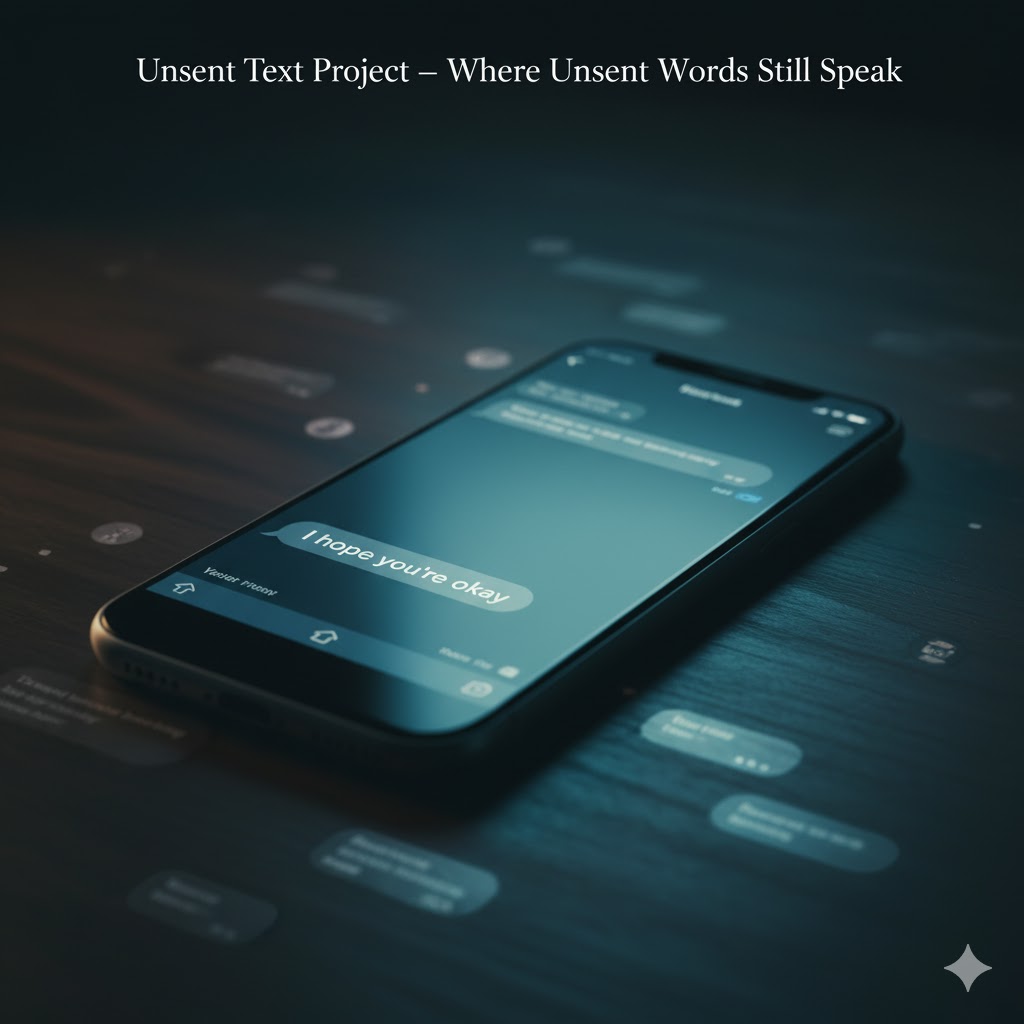
We’ve all been there, haven’t we? You’re staring at your phone, pouring your heart into a message—maybe it’s a shaky “I’m sorry” you owe someone, a quiet “I still love you” that feels too big, or a quick “I miss you” that could unravel everything. Your thumbs hover, your heart races, and then… you delete it, or save it in drafts, or just close the app and let it fade. Those words, though—they don’t just vanish. They linger, heavy and real. That’s where the Unsent Text Project comes in, giving those unspoken bits a place to breathe, a digital vault where regrets, confessions, and what-ifs get to live on, anonymous but seen.
If you’ve ever wrestled with that “should I send this?” moment only to back away, the Unsent Text Project feels like it’s holding up a mirror to your soul. Let’s dive into what it is, how it ticks, why it pulls so many of us in, and how you can jump in with purpose—whether you’re chasing healing, a creative spark, or just a quiet connection with strangers who get it.
How Competitors Frame It & What They Cover
When you poke around at how others talk up the Unsent Text Project (or its cousins in the unsent-message world), you’ll spot some familiar beats: “Origins & Vision” tracing the project’s roots, “How to Submit / How It Works” laying out the nuts and bolts, “The Archive: Browse / Search Features” detailing the techy side, “Emotional Impact: Why People Write Unsent Texts” digging into the feels, and maybe “Color or Tagging Systems” if they’re zooming in on the flair.
Those are great for getting the lay of the land, but honestly? A lot of write-ups hit the brakes there, leaving out the juicy stuff—like how to weave this into your own creative flow, lean on it for emotional clarity, or sidestep the ethical potholes.
Here, we’re going all in, wrapping the keyword “Unsent Text Project” into a story that’s less textbook and more like a late-night chat. We’ll hit the classics but add practical tips, creative hacks, and real-talk warnings that most skip, so you walk away not just knowing but feeling ready to engage.
The Origin of the Unsent Text Project: A Simple Question
At its core, the Unsent Text Project started with a question that cuts deep: What words do you type but never send? It’s like someone peeked into your phone at 2 a.m. and saw all those half-finished drafts. The spark came from artist Rora Blue in 2015 with her Unsent Project, which kicked things off by asking folks to share unsent texts tied to first loves, and now it’s a sprawling archive with millions of messages. But the idea’s bigger than one platform—anywhere people stash unsent texts under that “Unsent Text Project” vibe counts, a nod to those moments we almost let slip.
Why’s it hit so hard? That pause before hitting send—it’s more telling than the words themselves. It’s fear, hope, or love you’re not sure you can own yet. The Unsent Text Project catches those hesitations and spins them into a space where you can reflect, connect, and maybe even let go a little.
How the Unsent Text Project Works — The Submission & Archive Flow
Curious about how the Unsent Text Project comes together? It’s dead simple, which is why it feels so powerful.
You start by writing your unsent text: Picture it like drafting a message to someone—maybe “To Jamie… I still see you in every sunset.” It’s what you wanted to say but didn’t.
Pick an emotion or tag: Some platforms, like the OG Unsent Project, ask you to pin a color to the vibe—red for burning regret, blue for quiet ache, green for a flicker of hope. Others might use mood tags like “love” or “sorry.”
Submit anonymously: You send it into the void, no name attached, no strings. It’s just you, raw and unfiltered, letting the words loose.
It lands in the archive: After a quick review (to keep things kind), your text joins the pile, ready for others to stumble across.
Then, browse the stash: Search by a name (yours, theirs, anyone’s), sift by emotion or color, or just scroll and soak in the collective hum of unspoken truths.
That flow—write, tag, release, explore—makes the Unsent Text Project feel like a confessional booth and a poetry slam rolled into one, easy to dip into but heavy with heart.
What People Put on “Unsent Text Project” Archives — Themes & Emotions
Peek into an Unsent Text Project archive, and it’s like flipping through a diary the world wrote together. The threads that keep popping up? They’re achingly familiar.
Love and first crushes glow soft: “I still whisper your name when it’s dark out,” catching that spark that never quite faded.
Breakups and silences cut deep: “I waited for your text, but you left me on read forever,” tracing the sting of what didn’t come.
Regret and apologies weigh heavy: “I should’ve called when you were falling apart—sorry doesn’t fix it.” It’s the ache of too-late.
Gratitude that stayed quiet sneaks in: “You pulled me through my worst, and I never told you how much it meant.” Those unsaid thanks hit hard.
And goodbyes that never landed: “If I could, I’d say goodbye with a smile, not silence.” They’re closure in draft form.
What the Unsent Text Project does is shine a light on those draft-folder ghosts, turning them into a shared canvas of longing, loss, and love that never made it to the chat.
Why the Unsent Text Project Obstacles Are So Appealing
Why bother posting something you’ll never send? That’s the hook of the Unsent Text Project—it’s not about delivery; it’s about release. Here’s what pulls people in:
It unloads the heavy: Writing it out and letting it go, even just to a faceless archive, shakes off that weight you’ve been lugging.
It’s a safe stage: Anonymity means no blowback, no awkward replies—just you, closing a chapter without a fight.
It builds a quiet bond: Reading someone else’s “I never said I loved you” and nodding along? That’s the Unsent Text Project whispering, “You’re not the only one.”
It’s art in disguise: Those short, sharp texts? They’re like micro-poems, turning your private ache into something a stranger might frame.
That mix of relief, safety, connection, and creativity keeps folks circling back, spilling their unsent stories into the Unsent Text Project’s open arms.
The Role of Color, Tagging & Interface in an Unsent Text Project
A lot of Unsent Text Project setups, like Rora Blue’s original, lean on color or tagging to crank up the emotional volume. Picture this: You’re not just dropping a text; you’re pairing it with a shade that screams what you feel—red for that heart-pounding regret, blue for the slow-drip sadness, green for a whisper of growth. It’s not just flair; it’s a first impression that hits before the words do.
Why’s it matter? That color or tag sets the stage, giving your brain a heads-up on the vibe—intensity, sorrow, hope—before you even read the line. The interface keeps it clean too: simple fields for your text, a dropdown for your tag, and a search bar that lets you chase names or moods. The Unsent Text Project turns a fleeting draft into a snapshot, framed in feeling and ready to resonate.
Submitting to an Unsent Text Project: Best Practice Tips
Ready to toss your own words into the Unsent Text Project? Here’s how to do it with heart and a little savvy:
Keep it short and sharp: One killer line—like “I wish I’d fought for us”—packs more punch than a ramble.
Go for gut-honest: Skip the dramatics; the truth in “I miss you” lands harder than any performance.
Guard your anonymity: If you want to stay a ghost, blur out names or details that could point back to you or someone else.
Check your headspace: Diving into these archives can stir up old wounds—make sure you’re steady before you start.
Peek at others first: Scroll the Unsent Text Project’s stash to see how folks spill similar feels; it might spark your own or just ease the ache.
These keep your dip into the Unsent Text Project real, safe, and worth the emotional trip.
Using the Unsent Text Project for Creative or Healing Purposes
The Unsent Text Project isn’t just a place to park your thoughts—it’s a launchpad for something bigger, whether you’re chasing art or a lighter heart.
For writers, it’s a goldmine of prompts: Grab a line like “I never told you I was scared” and spin it into a poem or a story that unravels the why.
In therapy spaces, it’s a soft sidekick: Jotting unsent texts can crack open feelings to unpack with a pro, or submitting one might mark a step toward letting go.
Artists can play with the format: Pair those texts with bold colors, weave them into collages, or splash them across a canvas for a vibe that screams raw.
Teachers, try this: Have students draft unsent texts about big shifts—graduations, falling-outs—and talk about what silence taught them. It’s empathy in action.
The Unsent Text Project flips from a quiet corner to a toolbox, helping you make sense of what’s stuck inside.
Ethical and Emotional Considerations Around the Unsent Text Project
Jumping into the Unsent Text Project is powerful, but it’s not all warm fuzzies—there’s some real stuff to watch out for.
Privacy’s a biggie: Even with no name attached, a stray detail could out you or someone else—think twice about what you spill.
Emotional safety matters: Scrolling through raw confessions can jolt you, especially if you’re already tender. It’s okay to step back if it’s too much.
Permanence is real: Once your text’s in the Unsent Text Project archive, it’s likely there for keeps—no easy delete button. Make peace with that before you hit submit.
Consent’s a gray area: Writing about someone who didn’t sign up to be in this public diary? That can get sticky, so tread light.
It’s not therapy: The Unsent Text Project can feel like a release valve, but if you’re wrestling with heavy stuff, a pro’s ear is better than a digital vault.
Going in with eyes open keeps the Unsent Text Project a safe harbor, not a stormy sea.
Real-Life Engagement: How People Use the Unsent Text Project
Some folks creep into the Unsent Text Project at odd hours, scrolling through strangers’ secrets like a bedtime story for the heart. Others treat submitting like a ritual: type the truth, pick a color, hit send, and exhale—like shedding a layer of weight. Creatives mine it for inspiration, pulling lines to spark songs or sketches. And yeah, plenty sneak a search for their own name, half-hoping, half-dreading a message meant for them.
It’s less about the endgame and more about the act itself—writing it, releasing it, or just soaking in the shared hum of unsent stories. The Unsent Text Project becomes a quiet ceremony, a way to nod at your own truths without needing a reply.
Reasons the Unsent Text Project Is Growing in Relevance
We’re drowning in instant chats—pings, read receipts, typing bubbles—yet so much goes unsaid. The Unsent Text Project thrives in that irony, giving a home to the messages we bury in our phones. In an age where we’re hyper-connected but guarded, it’s a soft rebellion, saying the unsent stuff matters just as much.
Plus, as we lean harder into mental health, the Unsent Text Project fits like a glove: You don’t need a megaphone to heal, just a corner to whisper your truth. It’s low-stakes expression in a high-stakes world, letting you exhale without an audience staring back.
The Archive Effect: What the Unsent Text Project’s Accumulation Tells Us
Scroll through the Unsent Text Project, and it’s not just random lines—it’s a tidal wave of feeling, piling up into something bigger. You see the same notes repeating: longing that loops, thank-yous that never left the dock, apologies that missed their shot. It’s like a cultural diary, capturing what we hold back in this hyper-digital life.
Each text’s a drop, but together? They’re a sea, showing how our silences shape us as much as our sent messages do. The Unsent Text Project isn’t just a collection; it’s a living record of what we didn’t dare but couldn’t forget.
How to Explore the Unsent Text Project: Search Tips & User Tricks
Want to make the most of the Unsent Text Project without getting lost in it? Try these:
Search names smartly: Pop in yours or someone else’s, but keep expectations chill—common names mean long shots for that “meant for me” hit.
Filter by mood or color: Got a platform with tags? Sad? Blue’s your vibe. Hopeful? Green’s calling. It’s like curating your emotional playlist.
Read wide, not deep: Don’t just hunt for your story—let a stranger’s “I wish I’d stayed” spark something in you instead.
Reflect, don’t dwell: Jot down what resonates, then step away. The Unsent Text Project’s a mirror, not a maze.
Submit and sign off: Drop your text, maybe pick a color, then close the tab for a bit. The act of writing’s the win, not the endless scroll.
Future Directions of the Unsent Text Project — What’s Next?
The Unsent Text Project’s got room to grow, and the possibilities feel alive:
Think local spins: Archives in different tongues, catching regional heartbeats.
Picture gallery vibes: Unsent texts splashed across walls or screens, colors bleeding into art shows.
Therapy tie-ins: Pairing with journaling programs or wellness apps to guide the emotional unpack.
Smart insights: AI sifting through millions of texts to spot patterns—love’s arcs, regret’s rhythms—without losing the soul.
Whatever’s next, the Unsent Text Project’s core stays golden: those unsent words? They’re worth keeping, worth sharing, worth seeing.
FAQs about the Unsent Text Project
What is the Unsent Text Project?
It’s an online hideout for anonymous text messages folks wrote but never sent—think confessions, regrets, or loves left in limbo, sometimes tagged with colors or moods to catch the vibe.
How can I participate in the Unsent Text Project?
Head to the site or app, type your unsent message, maybe pick a tag or color, and submit it incognito. It joins the archive after a review, ready for others to find.
Is participating completely anonymous?
Yup—no personal details needed. But heads-up: Your words go public, so skip anything too revealing if you’re guarding your privacy.
Can I search messages addressed to me?
Sure—plug in a name or keyword and browse. But with millions out there, don’t bank on spotting “your” message; it’s more about the collective echo.
Are submissions permanent?
Usually, yeah—once it’s in the Unsent Text Project archive and cleared, it’s there for good. Check the terms, but assume it’s a forever thing.
Is this a form of therapy?
It’s got that expressive-writing glow, easing your headspace, but it’s no stand-in for a therapist’s care. If you’re deep in it, reach for real support.
Why do people use the Unsent Text Project rather than sending the text?
It’s safe—you get the release without the risk, no messy replies or regrets. The Unsent Text Project turns your draft into something seen, no strings attached.
Final Thoughts: The Value of the Unsent Text Project
The Unsent Text Project matters because it gives your silence a stage. In a world of constant pings and instant replies, it’s a quiet rebellion, saying the messages we didn’t send still shape who we are. Writing that unsent text pulls something heavy out of your chest; browsing the archive shows you’re not alone in holding back.
Whether you drop a line into the Unsent Text Project or just let it sit in your notes, those words count. They’re your truth, painted in fleeting keystrokes, and this project’s a reminder: Even the unsent echoes—loud, human, and beautifully yours.


